
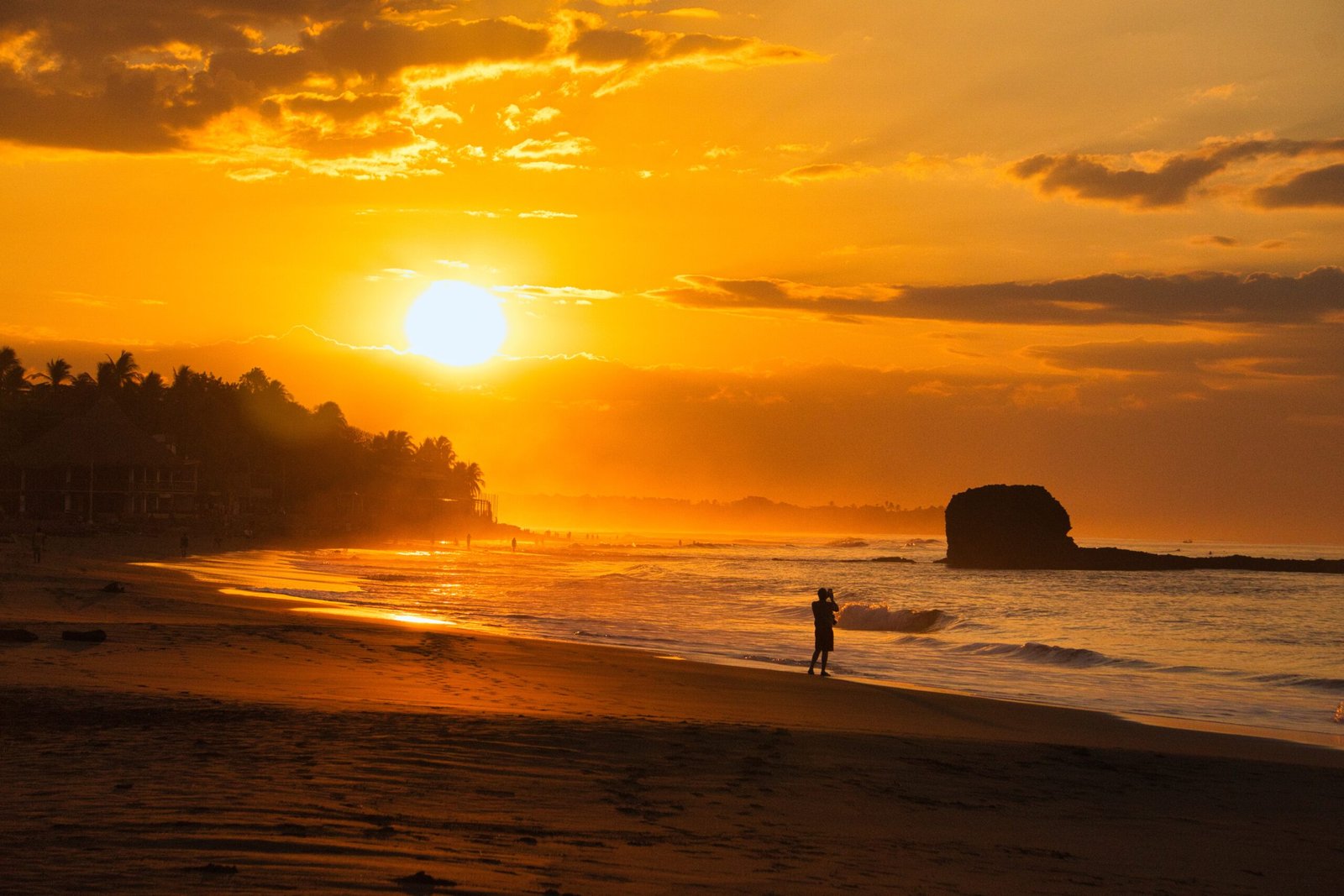
After spending two unforgettable months here, it truly feels like I’m leaving a second home behind. El Salvador welcomed me with its warm heart and the sincere smiles of its people. Two months of great, consistent waves, sunshine, heat, some of the most beautiful sunrises I’ve ever seen… and some really nice swells. What more could one wish for?
Sure, sometimes the wind picks up or the tide doesn’t cooperate, but in the end, you can surf almost every day. And for someone like me, coming from the Mediterranean Sea, even the choppy days have their charm: the lineup is calmer, less crowded, and you get to enjoy the ocean in a different way.
El Salvador has truly become a magnet for surf tourism.
El Tunco, with its waves at Sunzal and La Bocana, is now a well-known name in the global surf world. Sunzal, in particular, is perfect for every level: long, consistent, not too powerful. A bit like Imsouane, but requiring less “paddle power.”

Of course, fame comes at a price. During one particularly crowded sunset session, I counted over 120 people in the water. Between surf schools, rental boards, and locals (many of whom are seriously skilled) enjoying their well-earned post-work waves — and rightly so — it’s easy to bump into someone, cross paths, or take a heavy set straight to the face. That’s why I liked wearing a helmet — both for protection from the sun and from others: the crowd in the water is real.
It’s not uncommon to find major events happening in the area.
I was lucky enough to attend both the WSL at Punta Roca and the ISA World Longboard Championship. It’s often possible to spot world-class athletes in the lineup, and being able to watch them up close is a golden opportunity to learn and improve.

And when you are on dry land?
El Tunco has everything you need. Between hostels, small shops, restaurants, and clubs, you can settle in easily. For bigger purchases, there’s a shopping center with a supermarket just 15 minutes away by bus (which costs only 15 cents).
As for food, there’s plenty of variety: from pupuserías to steakhouses to alternative cuisines, it’s easy to find something tasty.
Day off? There are some great options for spending an alternative day around El Tunco.
- El Vulcan El Boquerón, – easily reachable from San Salvador, offers breathtaking views and a refreshing hike.
- La Ruta de las Flores, a trail through small mountain villages, artisanal coffee shops, and local markets, shows you a genuine and peaceful side of the country.
- Cascadas de Tamanique, not far from El Tunco, are perfect for a half-day trip and, if you’re in the mood, a refreshing plunge.
- Complejo arqueologico “Joya de Cerén” a UNESCO World Heritage Site, connects you with the Mayan roots of this land.
The shadows of paradise
As in many surf destinations, there are also some darker sides.
One example is El Tunco’s river. Unfortunately, development came before proper planning, and there’s still no water treatment plant. The advice is simple: don’t surf after heavy rain and always use earplugs. Spare yourself the ten days of ear infection I had to endure, and take a day or two off after a storm.
Another delicate issue is accelerated deforestation. New buildings often block beach access, and the coastal road — increasingly busy with trucks — is set to expand to four lanes. That means more trees cut down and land taken from local owners.
Some hotels even charge 5 dollars just to access the beach through their private entrances. Yep.

Additionally, during large-scale sports events, you can still feel the memory of a past marked by conflict. The visible presence of armed soldiers, checkpoints, and heightened security creates a stark contrast with the relaxed surf atmosphere. There’s no sense of fear, but you do feel the weight of history — like a scar still present in the country’s social fabric.
A wish for the future
I don’t want to paint too dark a picture, but by now we all know how successful surf destinations tend to evolve: the same scenario plays out everywhere.
And that’s precisely why I hope El Salvador can open its eyes before it’s too late.
There’s still time to face these challenges and build a more sustainable surf tourism model, one that doesn’t just chase short-term profit but looks courageously toward the future.
Because this country deserves everything.
And with a full heart, I hope to return one day.
Gracias, El Salvador.
Leave a Reply